Meet the Family That Built Every Brand
- PAG

- Nov 12, 2025
- 4 min read
Updated: Nov 13, 2025

A Trend Desk on design’s history and styles — from Bauhaus, Deco, Minimalism, and Maximalism to all else.

Design has never been a linear evolution — it’s more like a messy family tree with questionable genetics and unresolved drama. Every time there's a new trending design era, it swears it’s the one that gets it: the chosen generation that finally found balance between taste and rebellion.
We love them all, of course. They’re family. The ones who shaped how we see, sell, and scroll. But lately, it feels like we’ve been stuck at the world’s longest family dinner — everyone talking over each other, everything clashing like mismatched tableware, and no one quite sure if we’re still designing or just referencing the past in higher resolution.
So pour a drink. Pull up a chair. And let's meet the Design family.
Minimalism
The eldest child. Wears black, loves negative space, and insists they're “intentional, not cold.” They bring an orchid to dinner—"it's enough," they say—explaining their centerpiece. They’re allergic to gradients and still quote Dieter Rams at brunch. The table loves their composure — until they start rearranging the salt and pepper shakers into a perfect grid.
Maximalism says they “drain the joy out of everything.” Minimalism just smirks: “Joy’s inefficient.”
Maximalism
Bursts through the door thirty minutes late — sequins, fur, and at least two conflicting animal prints. Smells like perfume, paint thinner, and confidence. Brings a centerpiece taller than the table and calls it “a conversation piece.” Within five minutes, they’ve renamed the playlist, ordered new lighting, and declared the whole dinner “too quiet.”
Minimalism says it’s “too much.” Maximalism says, “you’re welcome.”
Bauhaus
The Father. The one who built the house everyone’s arguing in. Rational, cold, allergic to chaos. Brings measuring tools to dinner and says things like “function precedes dessert.” Would absolutely roll his eyes at 3D/CGI but secretly admires their geometry.
He’s the one who raised Minimalism and still thinks Maximalism was a parenting error.
Art Nouveau
The hopeless romantic daughter. Draped in flowing summer dresses, hair like it was drawn by hand. Arrives late, smelling of lilies and heartbreak. Touches everything — the plates, the tablecloth, the light —" look how it reflects onto the surface, so intense" (is she getting teary-eyed?)— as if design were a love language. Rearranges the centerpiece and says, “Now it’s alive.”
Bauhaus calls her impractical; Brutalism calls her dramatic. She smiles — she’s both.
Brutalism
The rebel middle child. Rough, raw, and unapologetic. Arrives carrying a concrete block — their idea of a gift. Drops it next to the centerpiece and says, “Now it’s real.” Doesn’t sit, just leans against the wall like chairs are propaganda. Eats in silence. The room feels a little colder.
“Perfection is dishonest. Tell me otherwise,” they say. Swiss Design clears their throat: “There’s a typo in your manifesto.”
Art Deco
The glamorous grandmother who never stopped being the moment. Wears pearls, posture, and expensive opinions. Calls the table “a scene,” demands better lighting for the centerpiece, and refuses anything that isn’t gold. Every compliment sounds rehearsed, every gesture rehearsed twice. She’s from an era when beauty had structure — and she hasn’t forgiven anyone for forgetting it.
Maximalism calls her “camp.” She calls Maximalism “cheap.”
Swiss Design
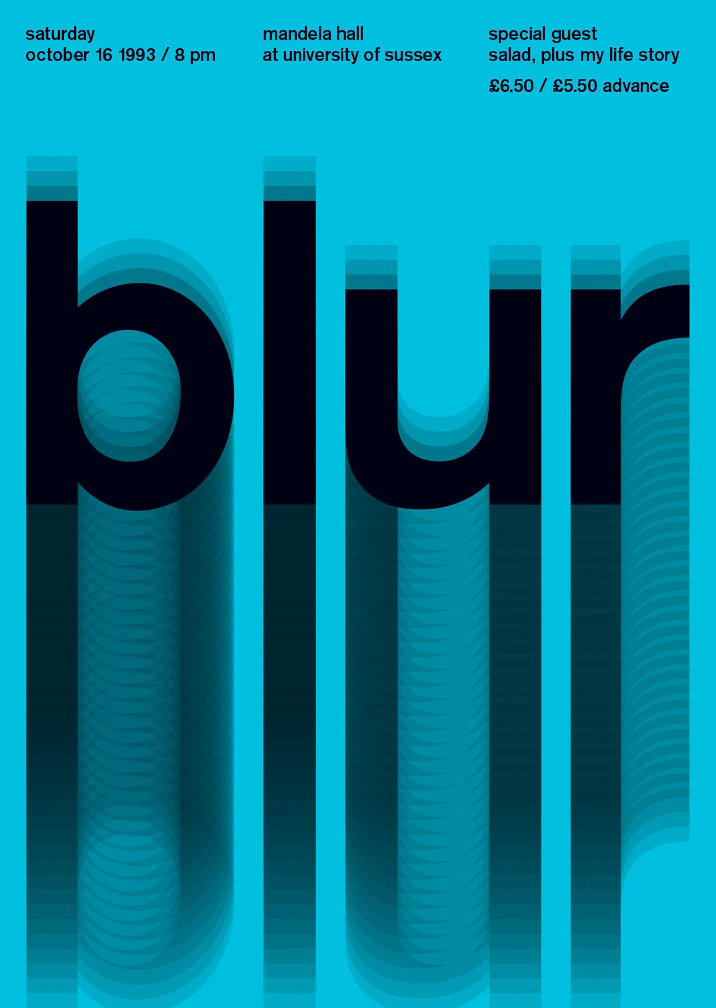
The overachieving cousin everyone pretends not to resent. Always early, always crisp. Speaks six languages, all in Helvetica. Brings a perfectly folded napkin and a printed seating chart “for balance.” Thinks emotion is noise, grids are gospel, and color should be used only when under supervision.
When Maximalism starts talking, Swiss just stares and says, “Hierarchy, please.” Bauhaus beams with pride. Everyone else groans.




3D / CGI
The Gen Z prodigy cousin who doesn’t look entirely human. Everything about them glows and looks rounder than usual. When asked what they do, they just say “content.” Bauhaus mutters something about substance; CGI pretends not to hear.
Art Deco calls them “plastic.” They correct her: “hyperreal.” Maximalism rolls their eyes: “You’re just filters with better lighting.” CGI blinks — perfectly rendered of course.
Pop Art
The dog. Loud, lovable, and constantly photobombing. Has a neon leash and spots that look like comic halftones. Barks in primary colors. Always begging for attention — but in a self-aware way. Everyone swears they’re tired of the act, yet somehow, Pop Art’s the only one getting press.
“You call it selling out. They call it sold out.”
The thing about design is—it’s never just decoration. It’s evidence of work once done. Every curve, grid, serif, and rebellion carries what people once believed was worth fighting for. That’s why history matters—not to copy, but to understand the arguments we’re still having. Bauhaus taught restraint. Art Deco taught to have fun. Brutalism taught honesty. CGI taught us to dream in every possibility and PoP Art taught us the importance of plain expression (and maybe Public Relations).
And somewhere between all of that, we learned to speak our mind.
Because there’s no straight path to building a brand. Just a series of choices—some graceful, some disastrous—that decide whether your mark becomes noise or narrative. A logo isn’t just a face; it’s the sum of every idea, failure, and conviction that came before it. It holds your story before you even say a word.
The trick isn’t to make something new.
It’s to make something true.
peace out.
Thank you for spending time at the Trend Desk


Comments